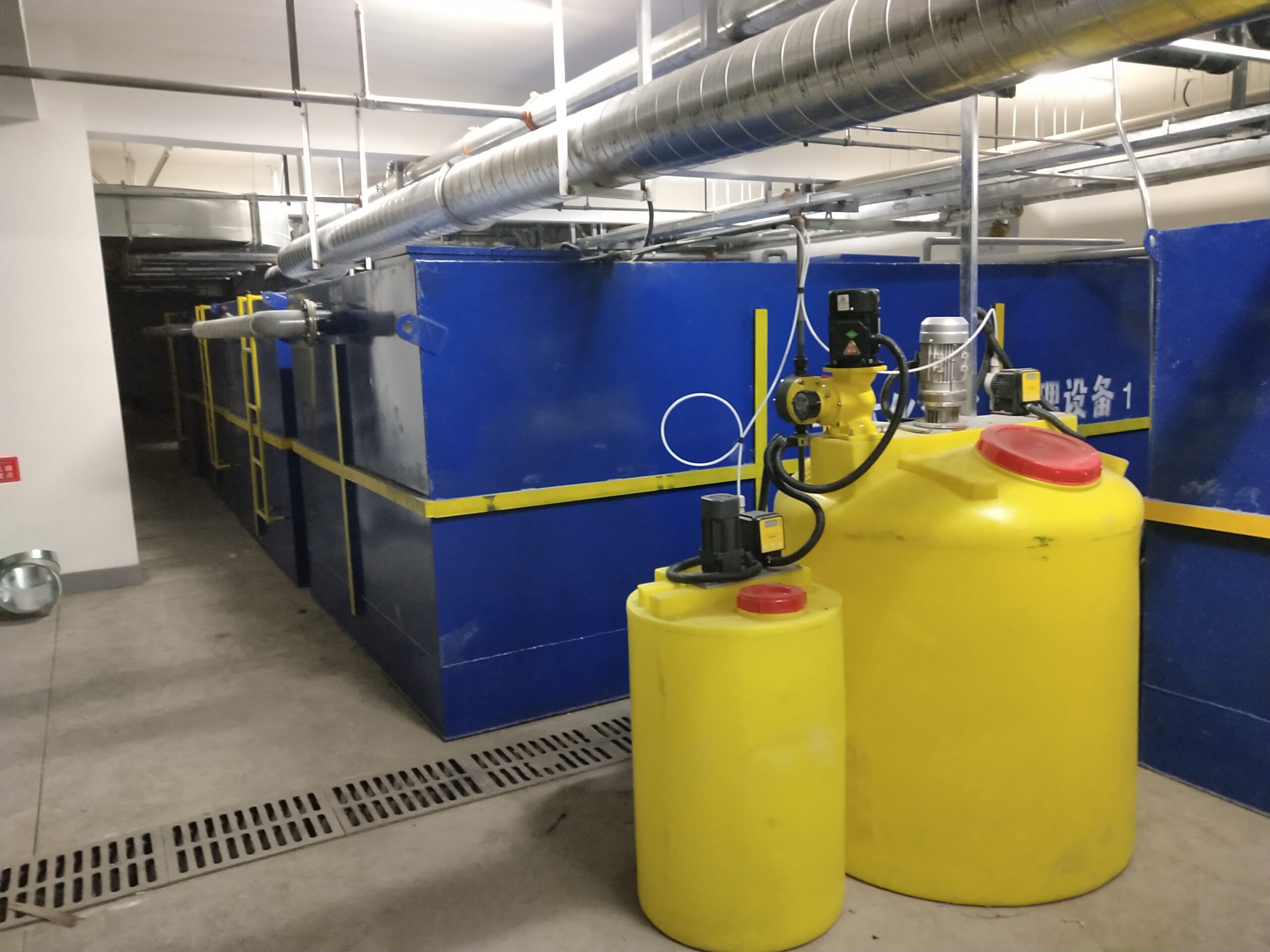
Industries Served

Influent Profiles, Regulatory Context, and Process Selection Rationale

Different industries produce fundamentally different wastewater. We do not apply the same process to every enquiry. The following outlines the influent characteristics, regulatory environment, and typical process configuration for each sector we serve.

Municipal & Township Wastewater

Serving populations from 500 to 50,000

Municipal influent is relatively consistent: BOD 150–300 mg/L, suspended solids 200–350 mg/L, with seasonal flow variation as the primary design variable. For township-scale installations where operator availability is limited, we specify underground integrated units designed for 90-day unattended cycles. Alarm logic is configured for remote SMS notification rather than continuous on-site monitoring.

Applicable standards: GB 18918 (China), EU Urban Wastewater Treatment Directive 91/271/EEC, US EPA Secondary Treatment Standards (40 CFR Part 133).

Typical process: MBR or AO/SBR integrated unit.

Food & Beverage Processing

High BOD, FOG, and variable flow profiles

Food processing wastewater is characterized by high organic load (BOD 600–4,000 mg/L), elevated FOG, and significant daily flow variation tied to production shifts. Failure to manage FOG upstream of the biological stage is the most common cause of treatment system failure in this sector. Our standard configuration pairs a DAF unit for primary FOG removal with an MBBR biological stage for final polishing.

Applicable standards: EU Integrated Pollution Prevention and Control (IPPC) Directive; local discharge consents vary by country.

Typical process: DAF + MBBR. For high-strength abattoir or rendering effluent: UASB anaerobic pretreatment + aerobic polishing.

Textile & Dyeing

Color, COD, and chemical oxygen demand — in that order

Textile effluent presents the most complex combination of parameters: high color from reactive and disperse dyes, COD 800–5,000 mg/L, and often elevated salt content from the dyeing process. Biological treatment alone cannot achieve acceptable color removal. We use Fenton advanced oxidation as the primary decolorization step, followed by biological polishing. The Fenton dose is calibrated to the specific dye chemistry of the client's process — not a generic COD figure.

Applicable standards: GB 4287 (China Textile Dyeing Wastewater Standard); EU Water Framework Directive EQS.

Typical process: Fenton oxidation + AO biological. High-volume applications: physicochemical pretreatment + AO/SBR.

Chemical & Pharmaceutical

High COD, toxic inhibition risk, and permit scrutiny

Chemical and pharmaceutical wastewater varies significantly by process chemistry. The critical design question is not COD concentration — it is whether the influent contains compounds that inhibit biological activity. We require a detailed influent characterization before process selection for this sector. Anaerobic pretreatment is typically specified where inlet COD exceeds 3,000 mg/L, reducing the aerobic load and improving downstream biological performance. Treatability testing data is available for select wastewater streams.

Applicable standards: GB 21904 / GB 21903 (China); EU IPPC BAT conclusions for chemical manufacturing; US EPA Effluent Guidelines (40 CFR Part 414/439).

Typical process: UASB/IC anaerobic + aerobic biological. Refractory organics: Fenton pre-oxidation upstream of biological.

Hospital & Healthcare

Pathogen removal is the non-negotiable output

Medical wastewater treatment is defined by one requirement above all others: consistent elimination of pathogens and pharmaceutical residues. Flow rates are modest (50–500 m³/day for most facilities), but the consequence of effluent non-compliance is severe. MBR is our standard process for this sector; membrane filtration provides a physical barrier to pathogens independent of biological performance variation. UV disinfection is installed as a final polishing stage.

Applicable standards: GB 18466 (China Medical Institution Wastewater); WHO Healthcare Facility Effluent Guidelines (2022); EU Urban Wastewater Directive (where applicable).

Typical process: Packaged MBR + UV disinfection unit.

Industrial Parks & Mixed-Influent Sites
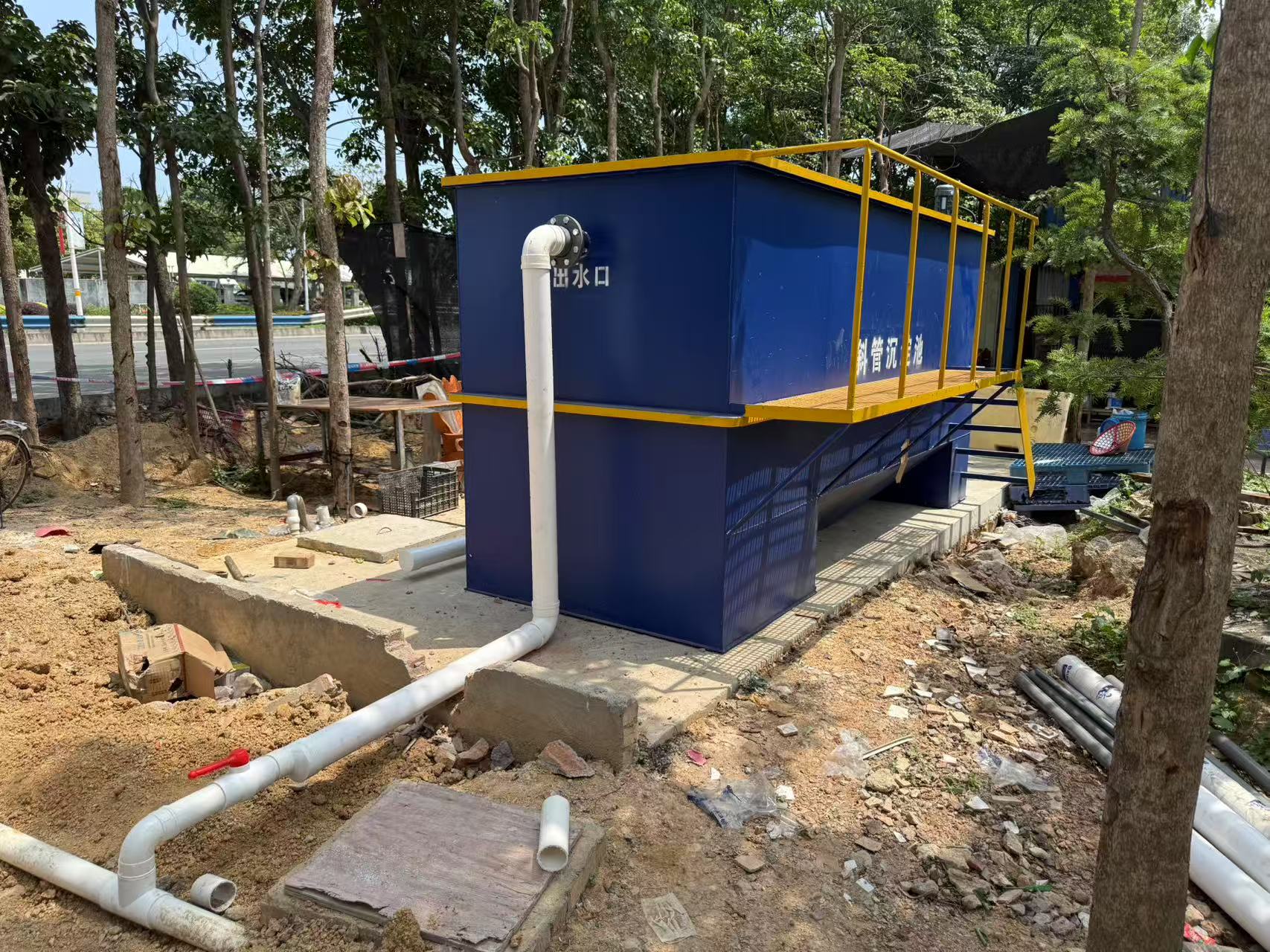
Multiple input streams, single discharge point

Industrial park wastewater presents a management challenge rather than a treatment challenge: the influent composition changes as tenants change, and the treatment system must absorb that variability without permit exceedance. Equalization tank sizing and shock-load buffering are the critical design parameters. We design for the worst-case tenant mix documented at the time of enquiry, with process flexibility to accommodate future tenant changes without major capital modification.

Applicable standards: Discharge consent issued by local environmental authority; typically requires compliance with receiving water classification.

Typical process: Equalization + AO/SBR or MBBR with variable aeration control.

Tell Us Your Industry and We Will Send the Relevant Process Data Sheet

Each industry section above corresponds to a technical data sheet with inlet assumptions, process sizing basis, and reference effluent results. Send us your sector and approximate flow rate — we return the relevant document within 24 hours.

滚动至顶部